Mold Abatement in Dallas, TX
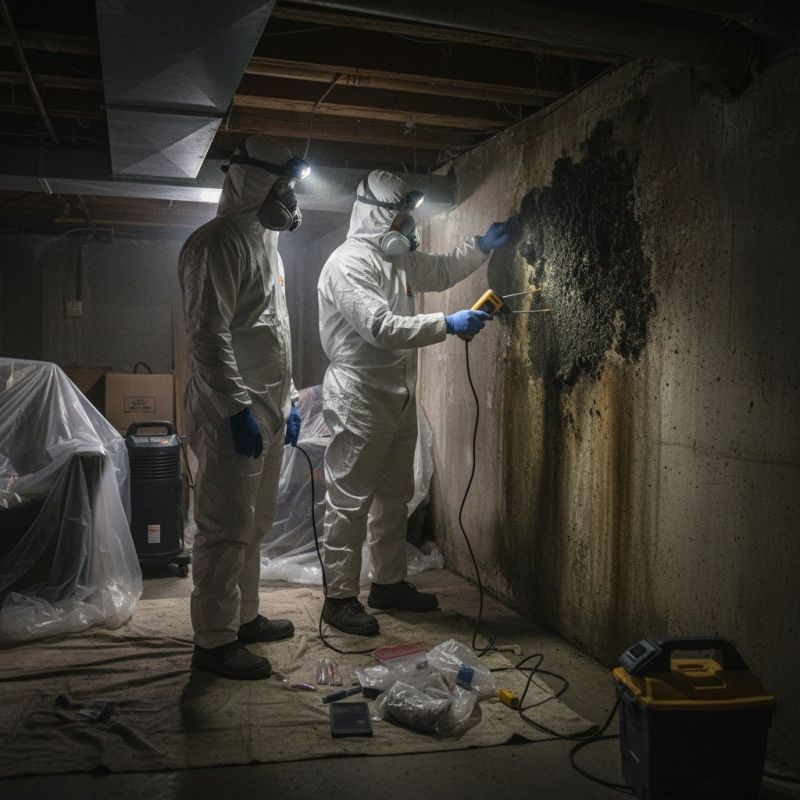
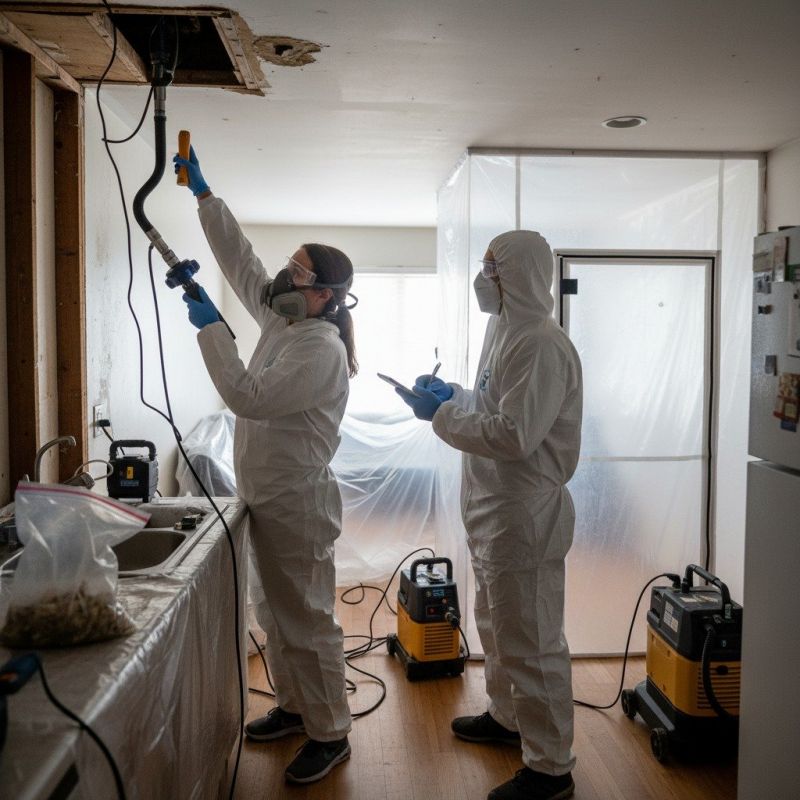
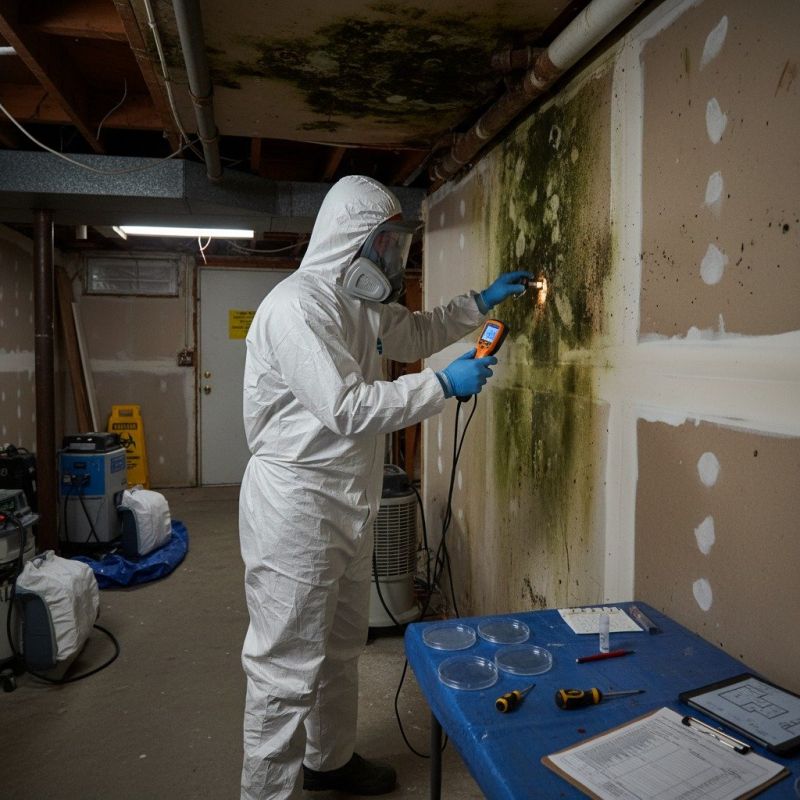
Mold abatement services involve the removal and cleanup of mold growth from residential properties, helping to improve indoor air quality and reduce potential health risks. These projects typically address issues such as water damage, high humidity areas, or visible mold growth on surfaces like walls, ceilings, and HVAC systems. Homeowners often seek mold abatement when noticing musty odors, visible mold patches, or after experiencing water leaks or flooding that could lead to mold development.
Before requesting mold abatement, property owners usually want to understand the scope of the affected areas, the types of materials involved, and any underlying moisture problems that need to be addressed. It’s important to consider whether the project involves small-scale cleanup or larger remediation efforts, especially in cases of extensive mold growth or hidden contamination behind walls or in HVAC systems. Proper assessment and planning can help ensure the mold is effectively removed and that conditions are improved to prevent future growth.
Many property owners in Dallas, TX look into Mold Abatement for repairs, replacements, upgrades, and appearance-related improvements.
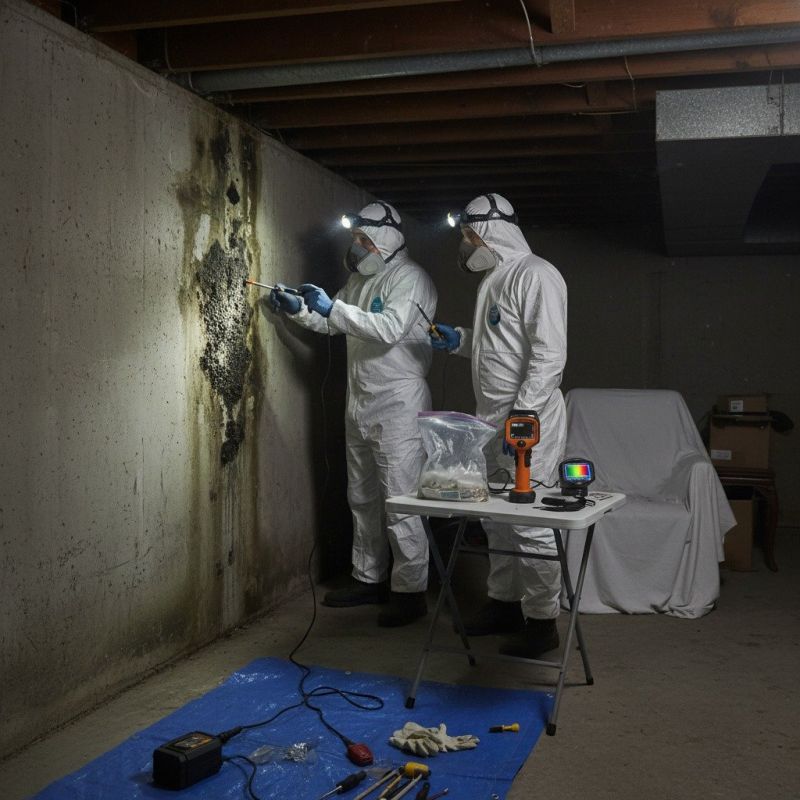
Mold Risk Reduction
Effective mold abatement helps protect indoor air quality and prevent health issues.
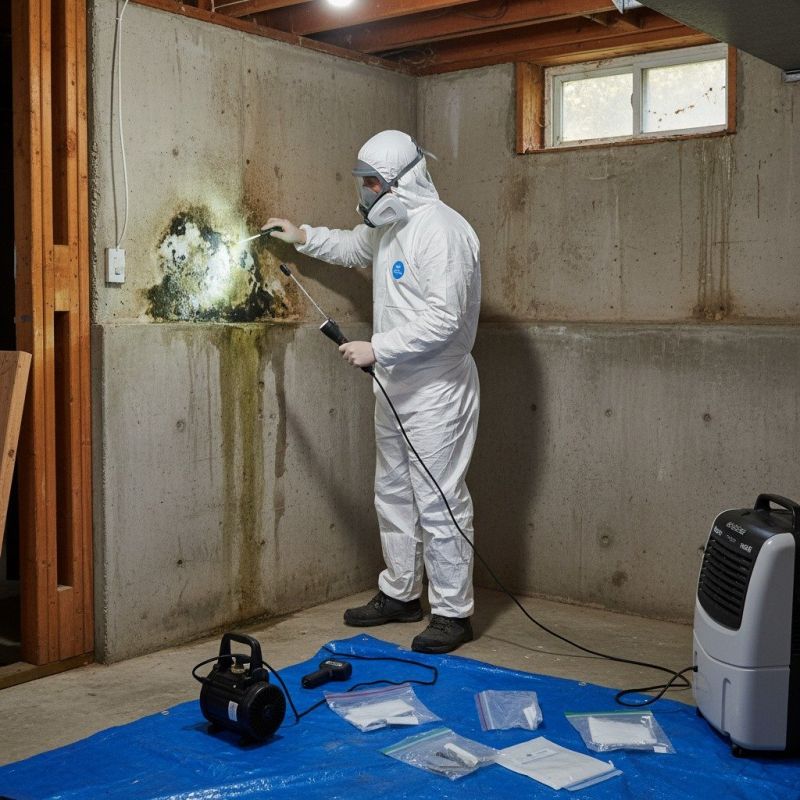
Property Damage Prevention
Removing mold growth can stop structural damage and preserve the integrity of your home.
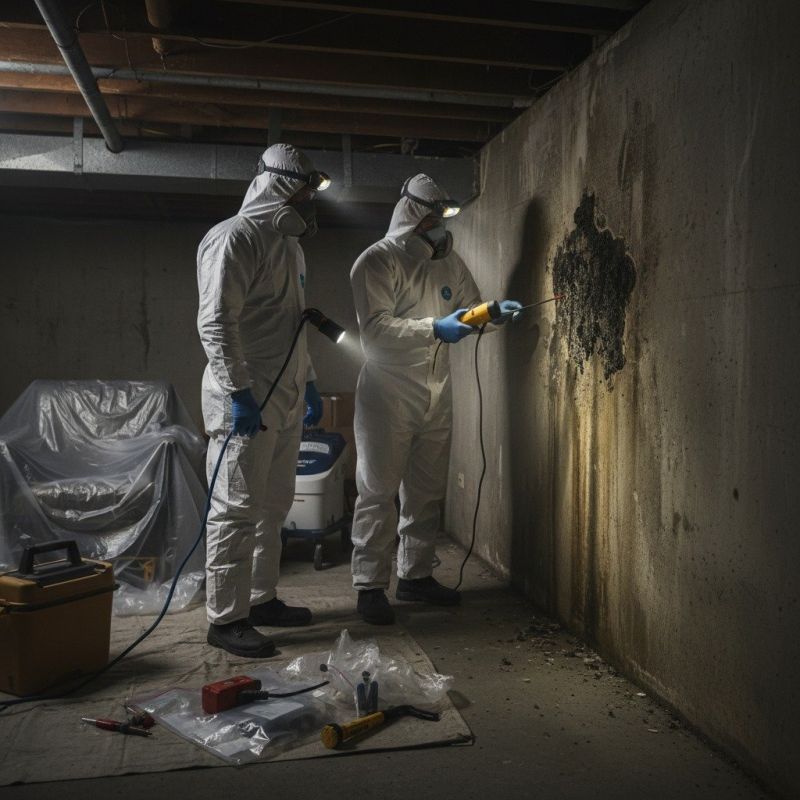
Comprehensive Mold Solutions
Professional mold abatement addresses existing issues and minimizes future mold growth in dallas, tx homes.
Mold Abatement in Dallas, TX

Mold abatement services involve the removal and cleanup of mold growth from residential properties, helping to improve indoor air quality and reduce potential health risks. These projects typically address issues such as water damage, high humidity areas, or visible mold growth on surfaces like walls, ceilings, and HVAC systems. Homeowners often seek mold abatement when noticing musty odors, visible mold patches, or after experiencing water leaks or flooding that could lead to mold development.
Before requesting mold abatement, property owners usually want to understand the scope of the affected areas, the types of materials involved, and any underlying moisture problems that need to be addressed. It’s important to consider whether the project involves small-scale cleanup or larger remediation efforts, especially in cases of extensive mold growth or hidden contamination behind walls or in HVAC systems. Proper assessment and planning can help ensure the mold is effectively removed and that conditions are improved to prevent future growth.
Many property owners in Dallas, TX look into Mold Abatement for repairs, replacements, upgrades, and appearance-related improvements.
Common Mold Abatement Jobs
Mold remediation - involves removing mold growth from affected areas to improve indoor air quality.
Mold inspection - identifies hidden mold issues that may not be visible to the naked eye.
Water damage cleanup - addresses sources of moisture that contribute to mold development.
HVAC mold removal - eliminates mold from heating, ventilation, and air conditioning systems.
Attic and basement mold removal - targets high-risk areas prone to moisture buildup.
Mold prevention services - includes sealing and moisture control to reduce future mold growth.
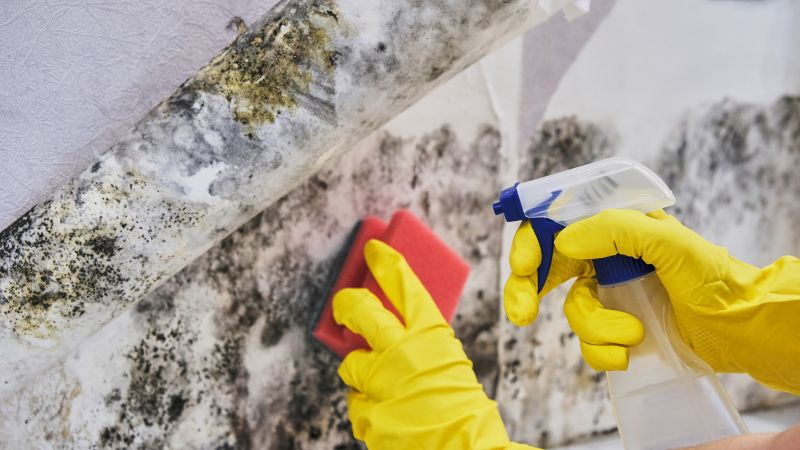
Mold Abatement Questions
What causes mold growth in properties? Mold typically develops in areas with excess moisture, such as leaks, high humidity, or poor ventilation.
How can mold affect a property? Mold can cause structural damage and may lead to health issues for occupants if left unaddressed.
What types of projects require mold abatement? Mold abatement is needed after water damage, flooding, or if mold is visible on surfaces inside the property.
What should property owners know about mold removal? Proper mold removal involves identifying the source of moisture and thoroughly cleaning affected areas to prevent regrowth.
Request Mold Abatement in Dallas, TX
Use the quote form on this page to share the basics of your project and request more information for the type of work you need.